
The Best Dock for a Soft, Silty, or Deep Lake Bottom
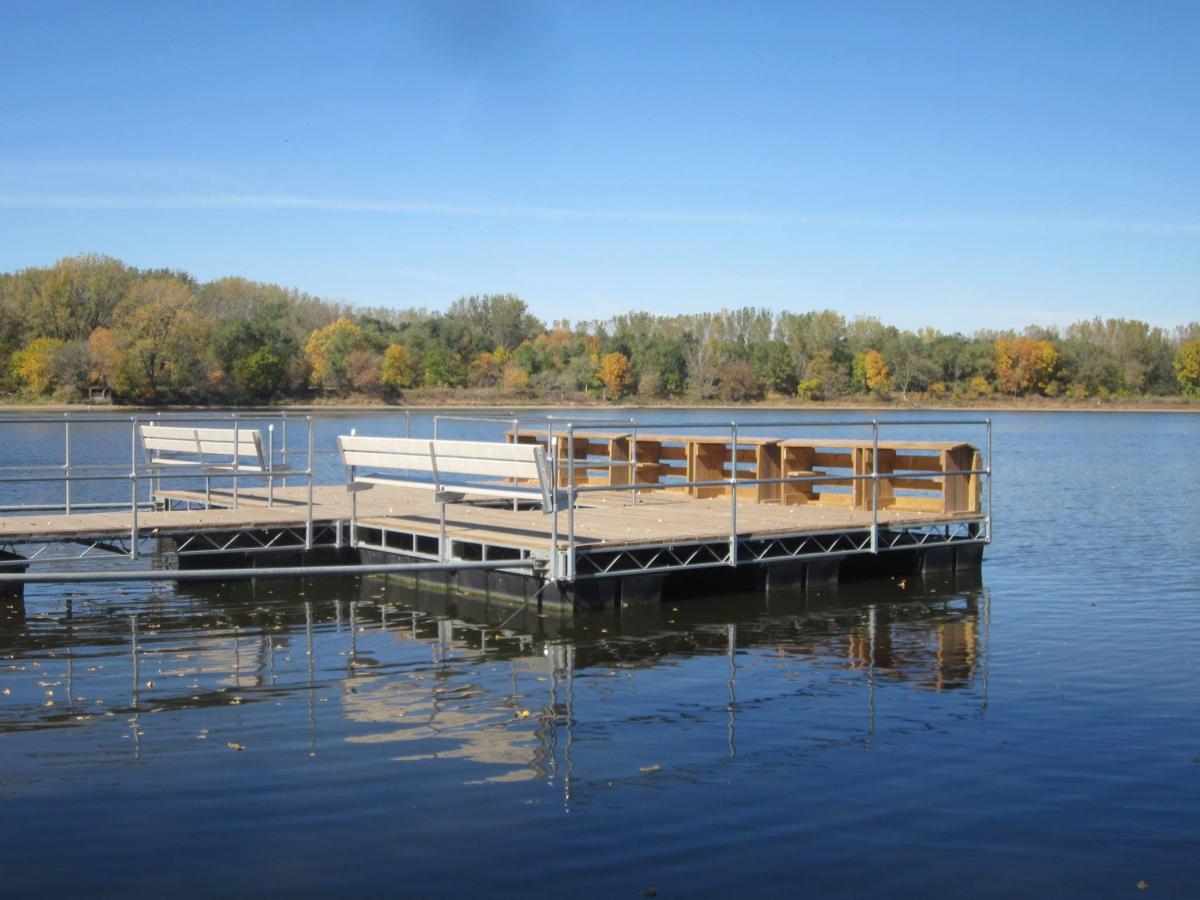
On a soft, silty, or deep lake bottom, a floating dock is usually your best option. It rides on the water instead of standing on legs driven into the bed, so it will not sink into muck, and it will not need re-leveling as the water rises and falls. That makes it the right fit for the conditions that defeat post docks: a soft or silty bottom, deep frontage, and a lake whose level swings through the season. VW Docks builds residential floating docks on custom steel or aluminum frames to U.S. Army Corps of Engineers standards. The rest of this guide covers why a floating dock holds where posts sink, and the cases where a different dock is still the smarter buy.
Key Takeaways
- Soft, silty, deep, and fluctuating water are the conditions that give post docks the most trouble.
- A floating dock rides on the surface, so it does not sink into a soft bottom or need constant re-leveling.
- It rises and falls with the lake, so the step into your boat feels the same in June and in September.
- VW Docks floating docks are custom-built on hot-dipped galvanized steel or aluminum frames to U.S. Army Corps of Engineers standards.
- Floating is not the answer for every shoreline. Match the dock to the bottom you actually have.
Why does a post dock lean on a soft bottom?
A sectional or post dock stands on legs that rest on the lake bed. On a firm, shallow, steady bottom, that is a great system. On muck, it is a losing fight.
Here is the common version of the problem. A post dock goes in dead level over Memorial Day weekend on a shallow, silty bay. By the Fourth of July, the outer legs have worked their way down into the soft bottom, and the end of the dock has a tilt and a soft bounce underfoot. So the owner pulls it, re-levels it, resets the legs. A few weeks later, same lean.
That is the part worth being honest about: a dock that keeps sinking is not a maintenance chore you failed to keep up with. It is the wrong dock for that water. The bottom is not going to firm up. The right move is to stop fighting it and match the dock to the bottom you have.
How does a floating dock hold where posts sink?
A floating dock does not touch the problem. It rides on the surface, held up by encapsulated float drums under the frame and anchored back toward shore, rather than propped up from the bed. No legs. Nothing to sink.
That single difference is what makes it work. Because the dock floats, the bottom underneath it stops mattering. Soft, silty, uneven, it does not care. The walking surface sits at the same height above the water whether the bed below is sand or three feet of muck, and there is nothing to keep re-leveling through the summer. You set it, and it stays put.
What about deep water and changing levels?
These are the two cases where a floating dock pulls clearly ahead.
Deep water first. A post dock has to reach the bottom, so past a certain depth it simply runs out of leg. A floating dock has no such limit. It works the same in eight feet of water as in three, which is why it is often the only practical choice for deep frontage.
Then there is the lake that will not hold still. When the water comes up after a wet stretch, the dock comes up with it. When it drops in a dry one, the dock settles with it. The result is the thing owners actually notice: the step from the dock into the boat feels the same in late September as it did in June. You are not out there every few weeks chasing the water level with a wrench.
How is a VW Docks floating dock built?
We custom build each residential floating dock frame for the specific site, so the dock fits your frontage rather than the other way around. The frames are 1.25 inch by 1.25 inch, 11-gauge square tube, in steel or aluminum, and hot-dipped galvanized to fight corrosion. Flotation comes from ACE Roto-Mold encapsulated float drums, with a wood and vinyl rub rail around the perimeter.
Every floating dock we make, residential and commercial, is built to U.S. Army Corps of Engineers standards. That is the same standard our commercial systems meet for marinas and public sites, which tells you something about how the residential line is built. Deck it in SunWalk vinyl, tan or gray, or in treated wood. The line carries a Comprehensive Limited Warranty, and professional installation is available, which is the usual route here, since a floating dock is a heavier, custom build than a one-person sectional.
When is a floating dock the wrong call?
Plenty of the time, and we would rather tell you that than sell you the wrong dock. Floating earns its keep on soft, deep, and fluctuating water. On firm, shallow, steady frontage, it is often the more dock than you need.
If your bottom is solid and your water level holds, a sectional dock usually serves you better and costs less, and our sectional line installs and removes with one person. On a gradual slope, or a rocky or soft bottom where you want to wheel the dock in and out, a roll-in dock can be the better tool. The honest rule is the one from the start of this guide: match the dock to the bottom you actually have, not the one you wish you had.
So before you settle on anything, start with your real conditions. How deep is the water off your frontage. How firm is the bottom. How far does your lake move through the year. Our guide to choosing the right dock for your lake and shoreline walks through that decision in full. One practical note while you plan: dock length and placement on Iowa public waters are regulated, so it is worth reading the Iowa DNR dock permit rules before you lock in a layout.
Frequently Asked Questions
What is the best dock for a really soft, mucky bottom?
A floating dock. Because it rides on the water instead of standing on legs, a soft or mucky bottom does not pull it out of level the way it does a post dock. It is the most common reason owners on silty lakes switch to floating.
Will a floating dock feel stable to walk on?
A properly built and anchored floating dock is meant to feel solid underfoot. The frame, the encapsulated float drums, and the way the dock is held in position all work together to keep it steady. The right size and layout for your site matter, which is why we build each one to the application.
Do floating docks work in deep water?
Yes, and deep water is one of their strengths. A floating dock does not need to reach the bottom, so it works in depths where a post or sectional dock cannot. It is a strong fit for deep frontage.
Can a floating dock handle my lake going up and down?
That is one of the main reasons to choose one. The dock floats up and down with the water level, so the walking surface stays the same height above the water all season without you adjusting anything.
Steel or aluminum frame: which should I pick?
Both are hot-dipped galvanized 11-gauge square tube, and both meet the same standard. The choice usually comes down to weight and budget for your specific build, and we can walk you through it when we design the dock for your frontage.
Not sure which dock fits your shoreline?
If your frontage is soft, deep, or prone to changing water levels, tell us about it. Request a quote for a floating dock built to your site, or find your nearest VW Docks dealer to talk it through.
Scott Chambers is President of VW Docks, a dock manufacturer in Spirit Lake, Iowa, building docks since 1959 and serving lake-home owners and commercial waterfront sites across the upper Midwest.
Share This Post
Comments
Read Our Other Blog Posts.
